Key points
- Baby cues can tell you how your baby is feeling and what they need.
- You can look for baby hunger cues, tired cues, and cues that tell you that your baby wants to play or needs a break.
- Watch the videos below to see baby cues in action.
Sign up to receive more free parenting advice.
Thank you for subscribing to our newsletter!

Key points
Baby cues are signs of how your baby is feeling and what they need from you. You get these signs from your baby’s body language.
Your baby’s cues give you important information about whether your baby is:
When you notice your baby’s cues and respond to them, your baby feels safe and secure. This helps you to build a strong relationship with your baby. And a strong relationship with you and other main caregivers is vital to your baby’s development.
All babies give cues to how they’re feeling and what they need from you. But each baby develops their own mix of signs to tell you how they’re feeling and what they want.
And as you and your baby get to know each other, you’ll begin to recognise their cues and figure out the best way to respond to your baby’s cues. For example, your grizzling baby might look relaxed when you smile at them, or they might seem to like it better when you sing and talk to them.
Understanding your baby’s cues can take practice, and there’ll be times when you don’t know what your baby wants. At those times, it’s good to remember that warm and gentle responses from you help your baby feel safe. Your responses also build your relationship with your baby.
Watch the video to learn more about baby cues.
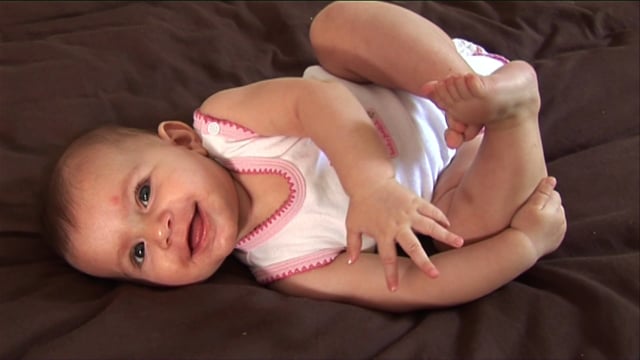
If your baby is unwell, they might cry, seem listless or pale, or have a fever, rash or other signs.
Baby tired cues include:
Watch the video to see what these cues look like in real babies.
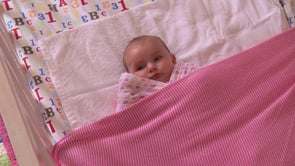
When you recognise tired signs in your baby, it’s a good idea to start settling your baby for sleep.
When your baby is hungry, they might:
Watch the video to see what hunger cues look like in real babies.
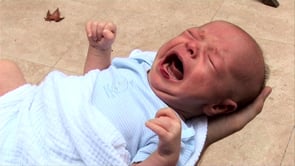
Cues that your baby is ready to play with you include:
Watch the video to see these baby cues in action, plus more signs that your baby is ready to play.
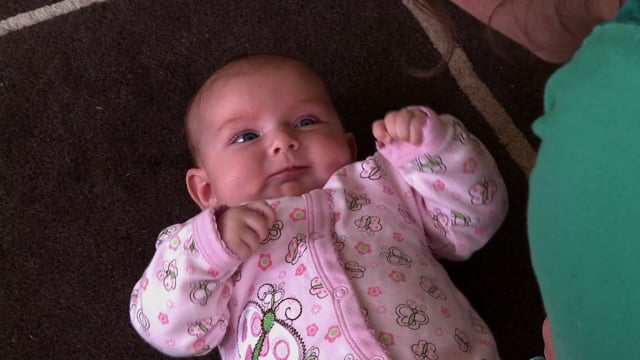
When you recognise ‘ready to play’ signs in your baby, it’s a good time to smile and talk to your baby. Baby play is simple – it’s all about the interactions between you and your baby.
Babies who are 4 months and older might not always be ready for a nap after their play time. Sometimes they might want a change of pace or activity instead. So what do these baby cues look like?
If your baby wants a break from what they’re doing right now, they might:
Watch the video to see these baby cues in action, plus more signs that your baby wants a change of activity.
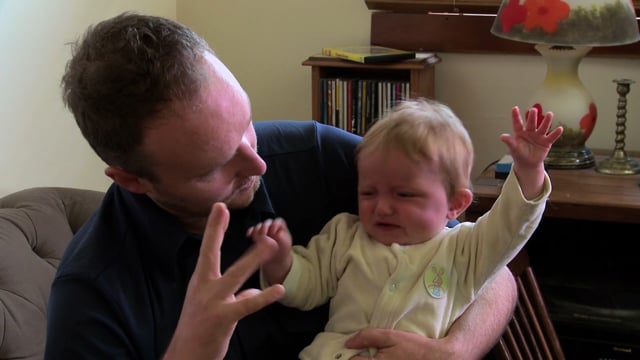
When you recognise ‘ready for a break’ signs in your baby, it’s a good idea to give your baby some quiet time or a different activity. For example, if your baby turns their head away from the rattle you’re showing them, you could lie your baby on their back to look at a mobile for a while.