Filtered Articles
Child Development
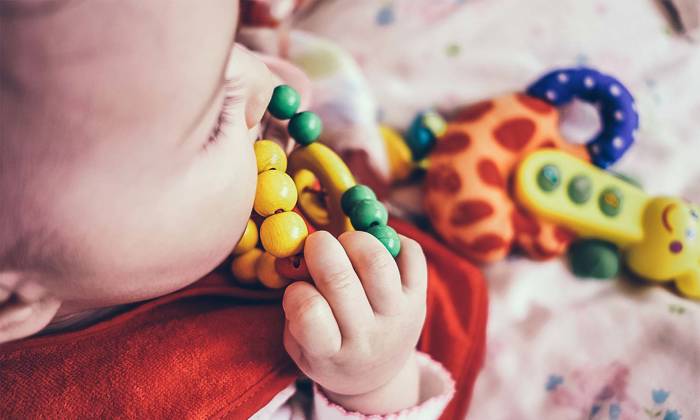
Why is play important?
Play is central to your child’s learning and development. When your child plays, it gives them many ways and times to learn.
Read more
Child Development
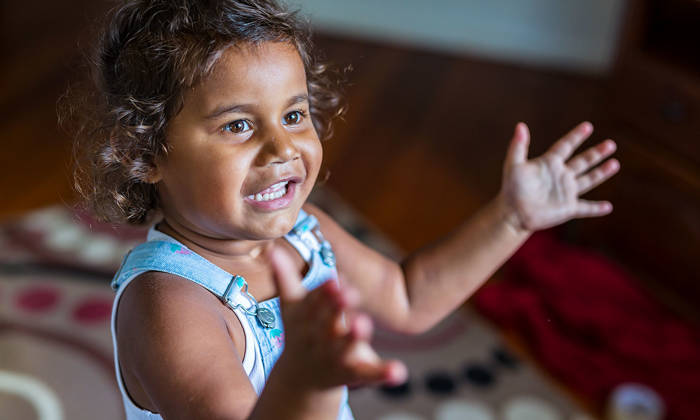
Praise for kids and teens: why, how and when to use it
Praise is when you tell your child that they’ve done something well or behaved in positive ways. For example, ‘Great job, Riley’, ‘Well done, Jo’ or ‘That’s awesome, AB’.
Read more
Child Development
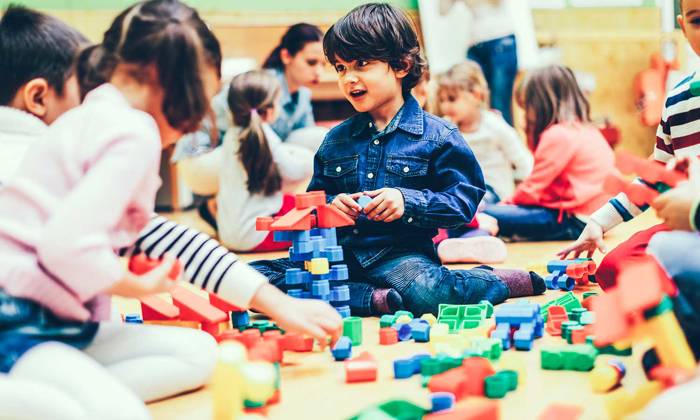
Letting your child lead play: activities for children 0-6 years
Child-led or child-directed play means following your child’s lead in play. It means watching your child and responding to what your child says or does to keep their attention focused a little bit longer. Following your child’s lead is good because your child learns best when they’re interested in an activity. When you follow your child’s lead in play, you can take advantage of things that interest your child to help them learn something new through play.
Read more

Parenting techniques
Tired signs in babies and toddlers
Tired signs: why they’re important Babies and toddlers show they’re tired through changes in behaviour. For example, when your child gets tired, they might be irritable, overactive or demanding. It’s important to look for your child’s ‘tired signs’. These signs let you know when it’s time to reduce stimulation and start settling your child for sleep. If your child gets overtired, it can be hard for them to settle to sleep.
Read more
Play
Homemade toys and free activities for children
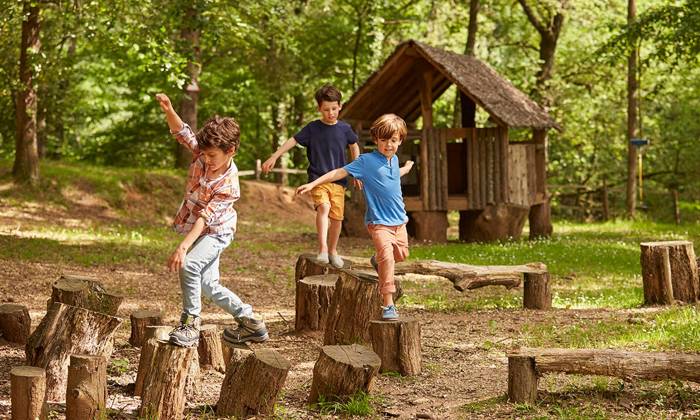
Homemade toys and activities help children learn and develop, because they can stimulate curiosity, creativity and imagination. They’re also great for building your relationship with your child, and they’re a lot of fun.
Read more

Childcare
Settling in at childcare: the early weeks
Child care is a new environment for your child, with new people and new routines. Your child’s transition to child care is more likely to go well if you start getting ready for child care well ahead of time. Also, starting slowly is important. For example, if it works for your family, you could start with short days at child care and stay with your child. Then you could leave your child for short periods, building up to leaving your child for a whole day.
Read more
Child Development
Children’s growth charts
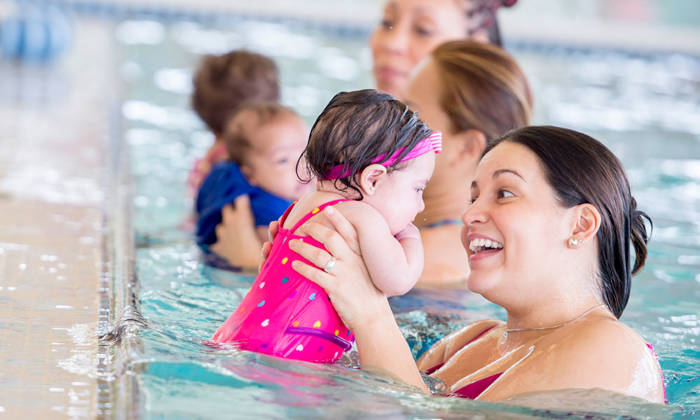
Children’s physical growth is a sign of their overall health and development. Growth patterns vary among children, and children go through periods of fast and slow growth. But children’s growth usually follows a typical pattern over time.
Read more
Child Development
Baby development and developmental milestones
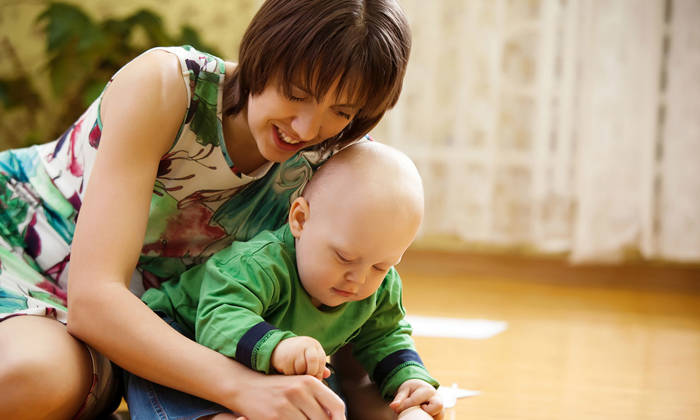
Baby development in the first 12 months is amazing. Through warm and responsive interactions with you and other caregivers, as well as play, babies learn to communicate, think, move, express emotions and much more.
Read more
Find more articles by tag
- Activities with kids
- Benefits of early learning
- Budget planner
- Communication
- Cooking with kids
- Developmental delay
- Developmental milestones
- Dietary requirements
- Disability
- Early learning activities
- Eating
- Extended family
- Family
- Family finances
- Formal care
- Fussy eating
- Gifted children
- Grandparents
- Holidays & travel
- Home learning
- Hygiene
- Imagination
- Informal care
- Internet & Media
- Kindergarten / Preschool
- Language development
- Literacy
- Managing behaviour
- Mental health
- Numeracy / Numbers
- Parent health
- Parenting styles
- Pets
- Physical health
- Play
- Praise
- Reading
- Real life stories
- Relationships
- Safety
- Screen time
- Siblings
- Sleep
- Snapshots
- Social skills
- Sports & Exercise
- Technology
- Toys
- Twins & multiples
- Work/life balance