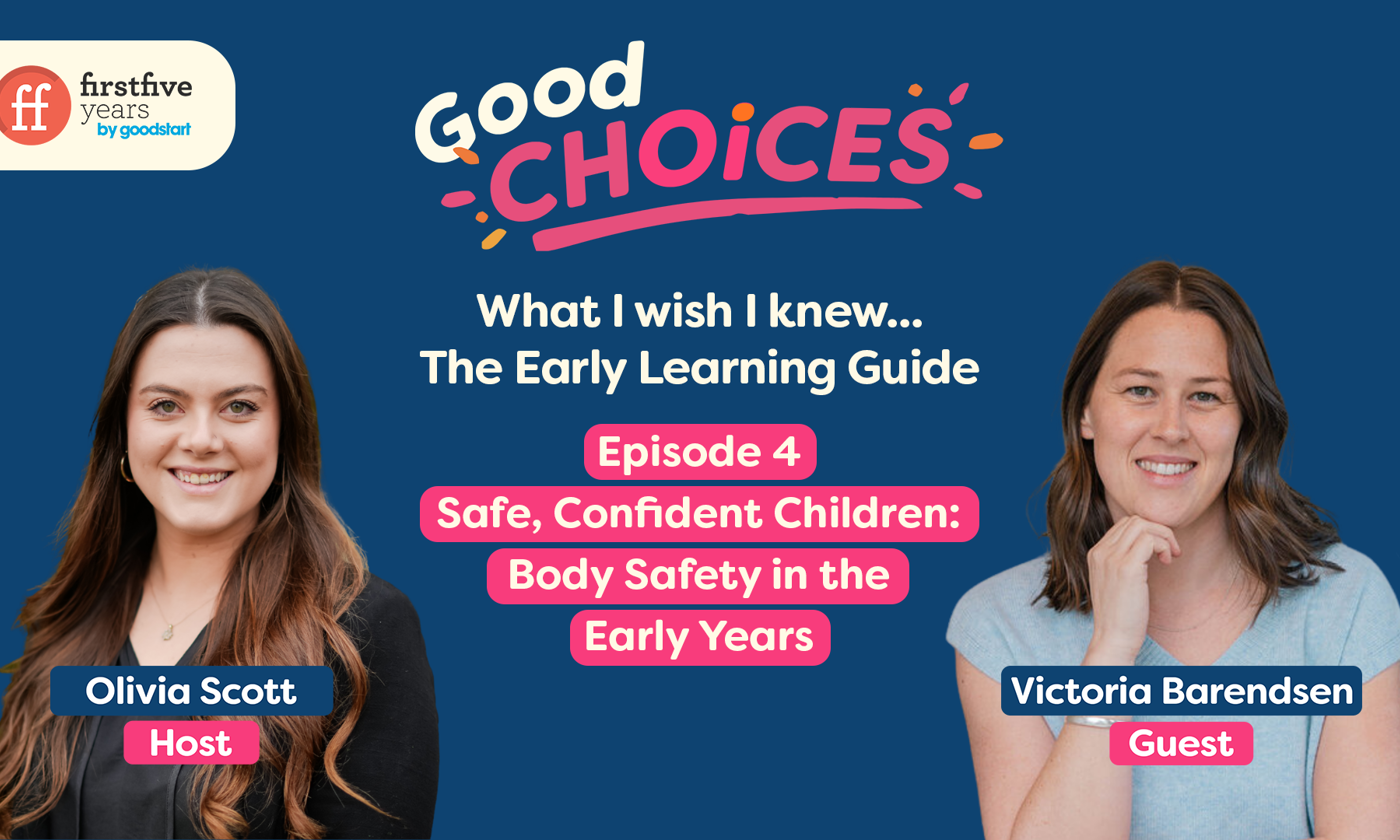
Body safety is a crucial topic that touches on the autonomy and rights children have over their bodies. In this insightful discussion, we explore how to approach the subject of body safety without instilling fear, making it a natural part of children's everyday learning.
What is Body Safety?
Victoria Barendsen, a psychologist who specializes in working with children affected by sexual abuse, explains that body safety involves educating children about their bodies and their rights. "Body safety is the idea or the concept that children need to understand their body and know that they have autonomy and rights over their body and they get to keep it safe," she shares. Just as we teach kids about water or road safety, body safety should be integrated into their daily lives.
Instead of having one big conversation about body safety, Victoria emphasizes the importance of weaving it into daily interactions. For example, after a child showers, parents can ask, "Would you like me to dry you off today, or would you like to do it yourself?" This encourages children to express their preferences and reinforces the idea that safe adults should ask before touching their bodies.
Teaching Autonomy and Consent
Victoria discusses the significance of teaching body autonomy, which includes helping children communicate what feels right for them. By modeling this behavior, such as asking for a hug or respecting a child's refusal, parents can instill a sense of comfort in children. "When my children say no, I stop what I’m doing because they’ve recognized something within their body, and it is my role as an adult to respect that," she states.
Practical Strategies for Parents
Victoria suggests practical strategies for parents to help their children navigate body safety:
- Offer Choices:When it comes to health, hygiene, or safety, providing choices can give children a sense of control. For instance, during tooth brushing, ask them to choose between two types of toothpaste.
- Set Expectations: When meeting family or friends, prepare children by saying, "You can say hello however you like," reinforcing their autonomy in social interactions.
- Use Correct Terminology: Teaching children the anatomically correct names for body parts helps them communicate effectively about their bodies.
Creating a safe environment involves teaching children about safe adults they can approach. Activities like identifying safe people can help them visualize and understand who they can turn to in uncomfortable situations. Victoria reminds us, "If the first person doesn’t quite understand what you’re saying, you can try the next person on your safe persons list as well."
Incorporating body safety into children's lives doesn't have to be daunting. Through small, consistent conversations and modeling respect for their autonomy, we can empower children to understand their bodies and communicate their needs. For a deeper dive into this important subject, listen to the full episode with Victoria Barendsen.
You can find out more and request a copy of the Feel Safe, Be Safe resources via https://www.goodstart.org.au/safeguarding-children/feel-safe-be-safe-protective-strategies
Follow Victoria and the Safe Kids Project Instagram | https://thesafekidsproject.com/