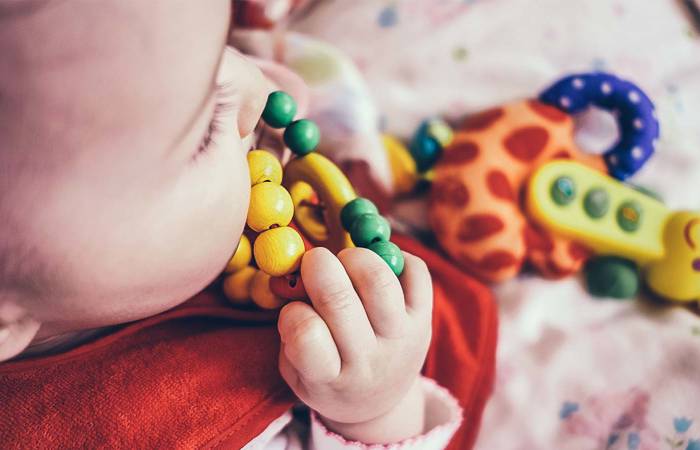
When you see tired signs, it’s time to reduce stimulation and settle babies and toddlers for sleep.
Newborn tired signs include pulling at ears, jerking arms and legs, and sucking fingers.
Babies and toddlers show they’re tired by grizzling, demanding attention and not wanting to play.
Tired signs: why they’re important
Babies and toddlers show they’re tired through changes in behaviour. For example, when your child gets tired, they might be irritable, overactive or demanding.
It’s important to look for your child’s ‘tired signs’. These signs let you know when it’s time to reduce stimulation and start settling your child for sleep.
If your child gets overtired, it can be hard for them to settle to sleep.
Babies and toddlers need sleep to grow and develop well. Good sleep is also important for their health and immunity.
Newborns: tired signs
Newborns can get tired very quickly. Some are tired as soon as 1-1½ hours after waking. Others can be happy and keep playing without tired signs for 2 hours or more.
If your newborn is tired, you might see some of the following tired signs:
pulling at ears
closing fists
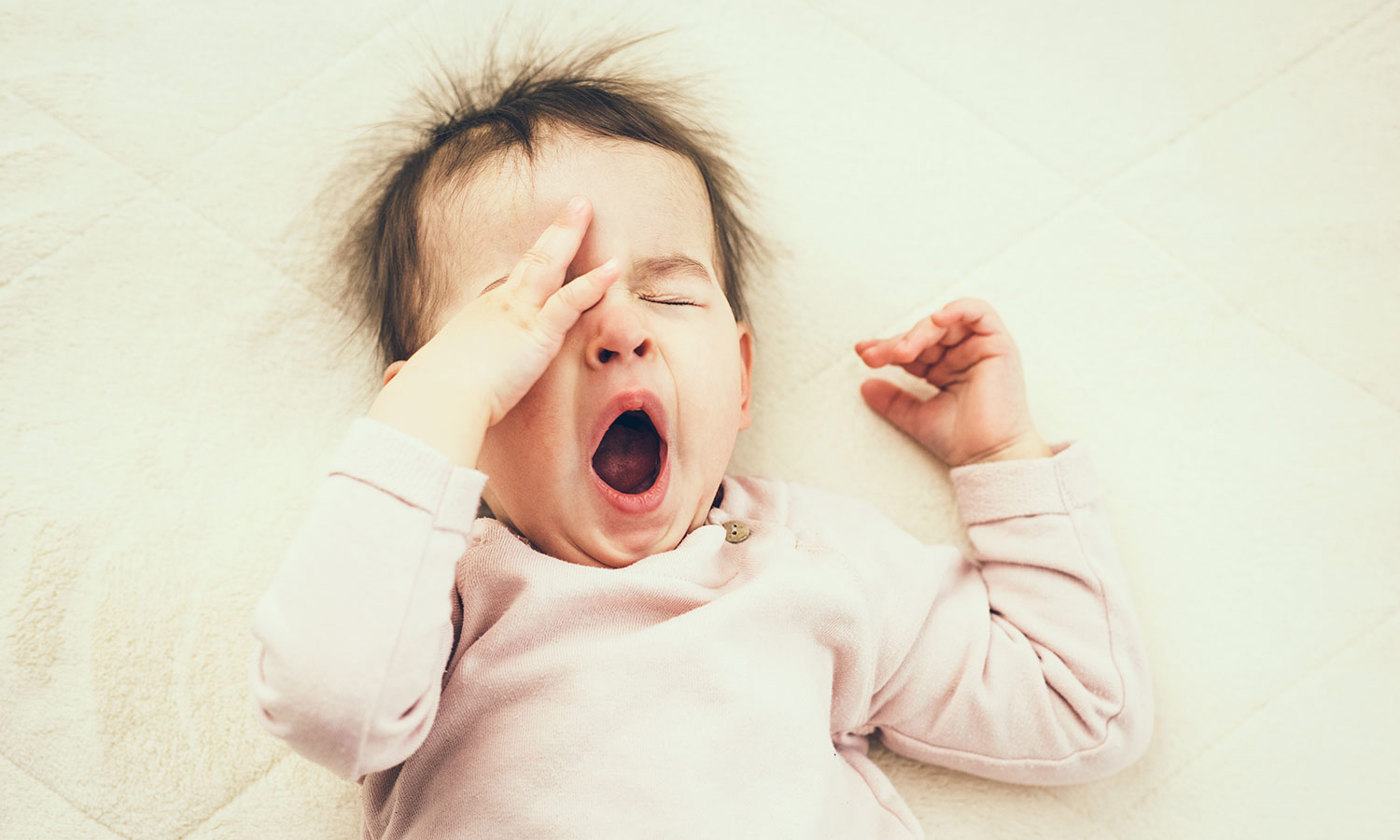
yawning
fluttering eyelids, difficulty focusing, crossed eyes or staring into space
making jerky arm and leg movements, or arching backwards
frowning or looking worried
sucking on fingers – this could be a good sign and might mean that your baby is trying to find ways to settle to sleep.
Babies and toddlers: tired signs
At 3-6 months, babies might be tired after 1½-3 hours awake.
At 6-12 months, babies might be tired after 2-3 hours awake.
At 1-3 years, toddlers might be tired if they miss out on a morning or afternoon sleep.
If your child is tired, you might see some of the following tired signs:
clumsiness
clinginess
grizzling or crying
demands for attention
boredom with toys
fussiness with food
increased activity.
Tired or hungry?
If your baby has had a feed within the last 2 hours and is grizzling and cranky, they might be tired. If you’re not sure, offer a feed. If your baby takes only a little milk and is still grizzly, try settling them back to sleep.
Babies cry when they’re tired, hungry, uncomfortable, sick, in pain or wanting a cuddle. If it’s hard to work out what your baby needs when they cry, start by checking that they aren’t sick or in pain.
Reducing stimulation
If your child is showing signs of tiredness, it’s a good idea to get them ready for sleep by reducing stimulation. You can do this by:
taking your child to the place where they usually sleep
putting toys away
talking quietly and soothingly
closing curtains and blinds
turning overhead lights off – use lamps if you need to
playing music quietly – this will help cut down on background noise.
As your child gets older, you can talk to them about what’s happening. For example, ‘I see you’re rubbing your eyes. It looks like you’re tired. Let’s put the toys and books away’. If you describe what’s happening, it can help your child learn to recognise when they’re tired and also learn how to self-soothe.
Making quiet time
Some quiet time before bed in the place where your child usually sleeps will help your child settle to sleep.
Quiet time with your child might include a gentle cuddle, a story or a quiet song.
Your child might need only a few minutes of quiet time before they’re relaxed and ready to be put in bed. If your household is noisy and active, your child might need some extra quiet time before it’s time for sleep.
A consistent daily routine and a positive bedtime routine will help your child feel relaxed and ready for sleep.
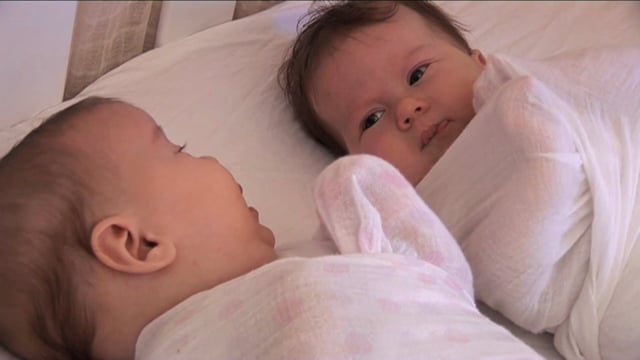
In this video, parents talk about encouraging baby sleep. The video includes tips on identifying sleep cues, finding out what helps babies to sleep, and being consistent with sleep and settling techniques. You might need to try different tips to find out what works for your baby.