Filtered Categories
Child Development
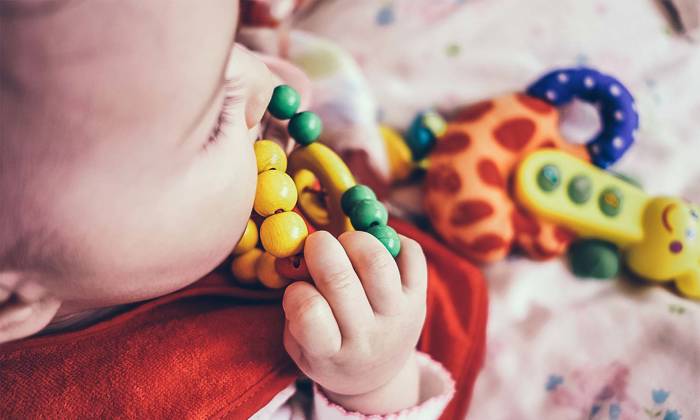
Why is play important?
Play is central to your child’s learning and development. When your child plays, it gives them many ways and times to learn.
Read more
Child Development
Overstimulation: babies and children
What is overstimulation? Overstimulation happens when children are overwhelmed by more experiences, sensations, noise and activity than they can cope with. For example, a newborn baby might get very unsettled after a party where they’ve been cuddled by a lot of grown-ups. A preschooler might have a tantrum after a big event like a birthday party. A school-age child might be tired and cranky if they go to school, then after-school care and then a swimming lesson.
Read more
Child Development
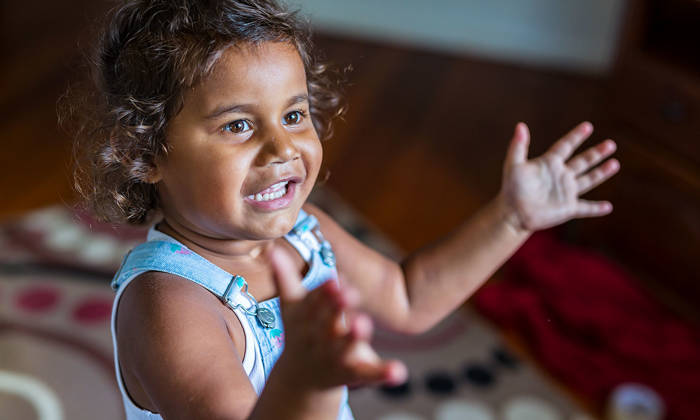
Praise for kids and teens: why, how and when to use it
Praise is when you tell your child that they’ve done something well or behaved in positive ways. For example, ‘Great job, Riley’, ‘Well done, Jo’ or ‘That’s awesome, AB’.
Read more
Child Development
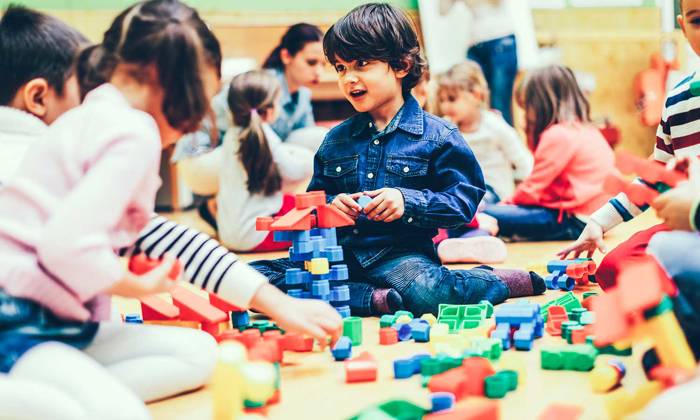
Letting your child lead play: activities for children 0-6 years
Child-led or child-directed play means following your child’s lead in play. It means watching your child and responding to what your child says or does to keep their attention focused a little bit longer. Following your child’s lead is good because your child learns best when they’re interested in an activity. When you follow your child’s lead in play, you can take advantage of things that interest your child to help them learn something new through play.
Read more

Lifestyle
Children with family pets reap benefits
Owning a family pet can help improve and promote your child's social, emotional and physical development, according to researchers who have found owning a four-legged friend isn't just fun, but also a valuable addition to your child's life.
Read more

Parenting techniques
Tired signs in babies and toddlers
Tired signs: why they’re important Babies and toddlers show they’re tired through changes in behaviour. For example, when your child gets tired, they might be irritable, overactive or demanding. It’s important to look for your child’s ‘tired signs’. These signs let you know when it’s time to reduce stimulation and start settling your child for sleep. If your child gets overtired, it can be hard for them to settle to sleep.
Read more
Child Development
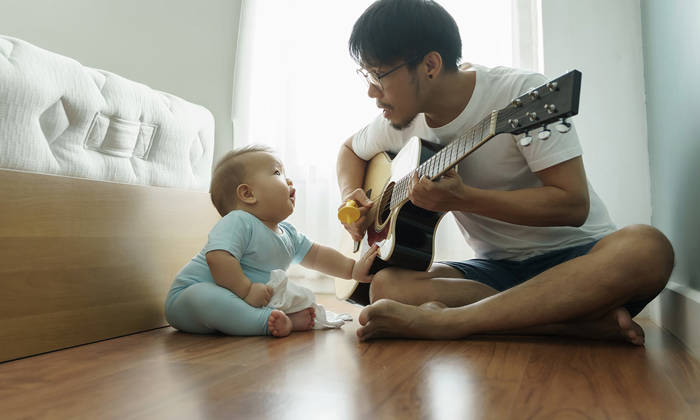
Singing activity for children: songs in a second language
Singing is a fun way to help your child learn and remember words and sentence structure in a second language. When your child sings songs with repeated words or choruses, they get a lot of practice with new words and sentence structures. This helps your child remember these new words. Songs with a cultural or personal significance – for example, songs passed down in your family – can have extra meaning for your child.
Read more
Child Development
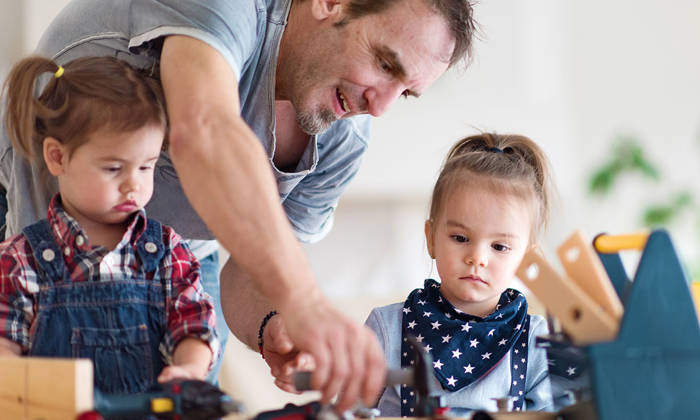
Positive attention and your child
From birth, children need experiences and relationships that show them they’re valued, capable human beings who make other people happy. Positive attention, reactions and responses from familiar and trusted grown-ups help children build a picture of how valued they are.
Read more